
Tips for Taking Road Trips With Your Pet
Traveling with your pets can be a bit dicey when you are trying to find places to exercise and let them do their business.
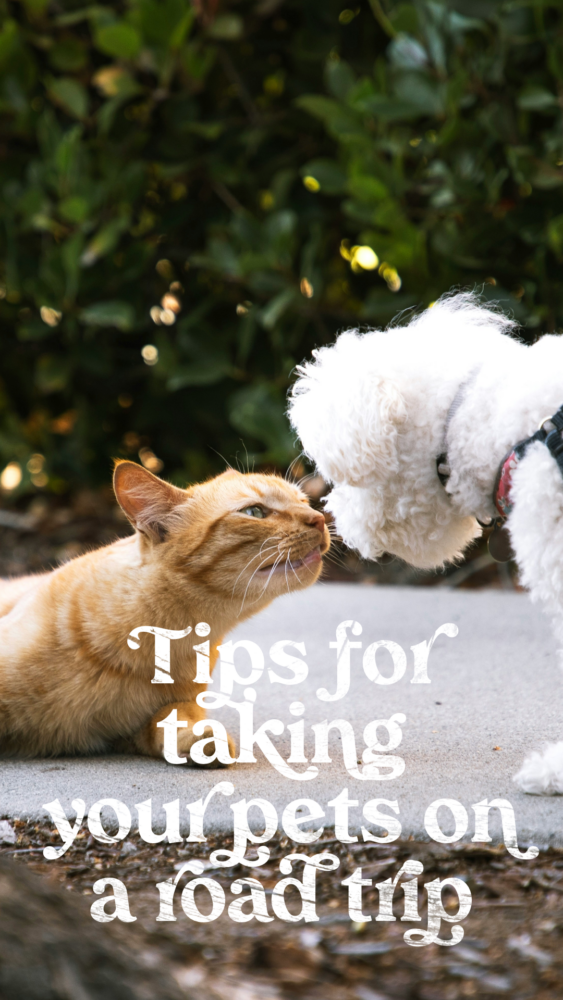
There is something wonderful about hitting the open road with your best four-legged friend riding beside you.
Whether you are traveling for a weekend getaway, spending several weeks exploring the country, or living the full-time road life, bringing your dog or cat along can make the adventure even more special. Of course, traveling with a pet requires a little more planning than traveling alone.
Here are some of the things I’ve learned about making road trips with pets safer, easier, and more enjoyable.
Make Sure Your Pet Is Ready for the Road
You probably already took Fido or Tom on a trip around your town on a quick trip, which requires little preparation. But what if you plan to take a long road trip? How does that play out?
Do you need one of those special seat belts that keep a dog grounded? What about a box or a cage in the back of the car? Consider your pet’s temperament and how to keep them calm on the open road.
Add an Identification Tag to Your Pet’s Collar
I met a woman a few months ago at a trailhead, looking for her dog. She had a beautiful but rambunctious husky mix, which she had taken to another trailhead without his leash. And yes, the dog ran off, chasing an animal, and in my mind, he quite obviously ran across someone who picked him up.
She was heartbroken, of course, and was close to her dog, but quite possibly someone had picked him up, or he could have been killed by a predatory animal. Whatever the case was, I can only hope that he had an up-to-date identification tag on her dog’s collar.
If you are unsure of where to get one, check at your local Walmart, as they have machines that will create one for you for a small fee.
You can, of course, also have microchipping done, which costs a bit more, but regardless, your identification tag becomes a safety net you hope that you will never have to use.
Bring a Familiar Piece of Home
One of the easiest ways to help a pet feel comfortable while traveling is to bring something familiar from home.
That might be:
- Their favorite blanket
- A familiar bed
- A favorite toy
- A towel that smells like home
- Their usual food and water bowls
- A litter box for your cat
These familiar smells can be especially comforting when everything else around them is constantly changing.
For cats in particular, familiar bedding can make an unfamiliar environment feel a little less frightening.
Consider the Temperature
Pets can become dangerously overheated in a vehicle surprisingly quickly. You may not even think twice about this while you are driving around running the air conditioner or heater, but when you find a place to park or camp, this rears its head.
The inside of a car or camper may rise quickly without proper ventilation or shade. Or on the opposite side of the coin, the car may become rather cold when you find yourself in a winter weather storm.
Ensuring you have plenty of ventilation and water on warmer days, or extra blankets and a heat source on colder ones.
Keep Your Pet’s Normal Food
It becomes really easy to share your snack chips or cookies with your dog while you are sitting in the car together. I mean, after all, why not share a snack together?
Yet, unless you simply cannot get to a store for your dog’s regular food works better for their digestion. A sudden change in food combined with travel stress can result in an upset stomach—and nobody wants to deal with that in a tiny campsite, hotel room, or vehicle.
And then they may have an accident or vomit in your car, and then, of course, you have a mess to clean up while traveling.
Always Carry Plenty of Water
Don’t assume that you’ll always be able to find water when you need it. Some rest areas have a water spigot for potable water, but some do not. You can also get water bottle refills for your pets (and yourself) at Walmart or the grocery store. Look for the Primo water refill machines, which usually cost around $3 for a 5-gallon water jug.
Plan for Waste Disposal
Many traveler destinations keep dog waste bags, but some places do not. Make sure you have plenty and store used ones in the trunk of your car if you cannot find a trash can to put them in.
Further, consider how you will dispose of used cat litter. Many scenic locations do not like you dumping your cat’s used litter along the side of the road. So keep trash bags for litter, or find other eco-friendly alternatives to manage cat waste.
Plan More Stops Than You Think You’ll Need
I have two dogs. One holds her urges for long stretches, but my little guy pees when the mood hits him, anywhere he chooses.
So, whether you have a dog with a large or big bladder, plan for consistent stops so that your pets know that the time and place to do their business is coming.
And, of course, using the opportunity to walk your dog or cat in a nice (and litter-free) patch of grass helps them relieve some stress.
Search out city parks, nature parks, trails, or even a plot of grass in the Walmart parking lot if that is what the moment requires.
Consider how to keep your pets happy and comfortable
Keep a Leash on Your Pet
Even if your dog is wonderfully obedient at home, traveling changes the circumstances. As in the situation I shared about the woman who lost her dog, a leash for dogs and cats is a must.
A strange campground, park, or rest area can trigger sudden reactions in pets. Plus, any unfamiliar wildlife, motorcycles, other dogs, children, loud noises, or people can all cause a normally dependable dog to behave differently.
Keep your dog or cat on a leash whenever you are outside unless you are in a properly secured area where off-leash activity is permitted.
Many states have dog leash laws, as well as national and state parks. Not only is it frequently the law, but it becomes prudent in whatever circumstances you and your pets find yourselves.
Cats Need Special Consideration
Cats can be wonderful road-trip companions, but they generally have different needs from dogs. Some cats travel well, but I admit that I have never had a cat that likes to travel in the car and cries incessantly.
If possible, keep your cat in a carrier when driving. If you’re staying in a motel, RV, or other temporary location, give your cat time to become comfortable before allowing exploration.
Always check doors, windows, screens, and other possible escape routes. And never assume that a cat will stay where you put it. Cats are experts at finding tiny openings and disappearing through them.
Bring a Pet Emergency Kit
Your regular travel first-aid kit can be enough to treat minor scrapes, wounds, or other issues with your pet. But make sure that you have these items for everyday issues that may arise.
- Extra food and water
- Any required medications
- Copies of veterinary records
- Identification information
- Waste bags
- Paper towels
- Towels
- Basic first-aid supplies
- A flashlight
- Extra leash or collar
- Portable food and water bowls
- Extra bedding
- Cat litter and a disposable litter pan for cats
Just think about what you would desperately wish you had if something went wrong 50 miles from the nearest town. It happens more often than you would think.
Research Pet-Friendly Places Before You Arrive
One of the biggest mistakes new road trippers can make is assuming that everywhere allows pets.
Before heading to a campground, hotel, park, restaurant, or attraction, check the current pet rules. Rules can vary considerably between locations.
Some campgrounds allow pets but require them to remain leashed. Some trails prohibit dogs entirely. Some hotels charge additional pet fees.
And some public lands have seasonal restrictions designed to protect wildlife. A few minutes of research can prevent a very frustrating arrival.
Be Considerate of Other Campers
If you’re camping or parking with your dog, especially, remember that not everyone loves dogs as much as you do.
Keep barking under control, and if your dog seems to bark more than usual, consider simply pulling out and finding a new location. Perhaps the barking is a warning sign. While it does not necessarily have to be something bad per se, you won’t be able to enjoy yourself if all you do is manage your dog’s barking.
Don’t allow your dog to wander into neighboring campsites; keep them on a dog line if you want them to have a bit of freedom. Always clean up after your pet, and don’t allow your dog to harass other animals.
Don’t Forget About Wildlife
One of the joys of road travel is getting to experience places where wildlife actually lives. Unfortunately, your dog or cat may not understand that the cute little animal in the bushes isn’t a potential playmate.
Depending on where you travel, you may encounter deer, elk, coyotes, porcupines, snakes, bears, and many other animals. Keep your pet under control and never allow it to chase wildlife.
Your pet could be injured, and wildlife could be injured as well.
Create a Routine
I cannot stress this enough. Pets often feel more secure when they know what to expect. Even though you’re traveling, try to maintain some semblance of your normal routine.
Feed your pet at approximately the same times each day. Give them regular opportunities to exercise and rest.
For a dog, that might mean a morning walk, breakfast, a few hours of travel, a midday break, and another walk in the evening.
For a cat, the routine might revolve more around feeding, litter box access, quiet time, and familiar surroundings.
The scenery can change every day while your pet’s basic routine stays the same.
Enjoy the Adventure Together
Finally, remember that your pet isn’t simply an item you’re transporting from one destination to another. They’re part of the adventure.
My dogs have ventured on forest trails, which one loves, and the other drags his feet. They have run on beaches, played in the ocean bay water, and eaten barnacles. Plus, they have walked, peed, and pooped in plenty of parks across the nation.
Enjoy these times, and take photos!
Let your dog sniff a new trail. Sit outside with your cat if they enjoy safely exploring on a harness. Take pictures. Enjoy quiet mornings at camp. Let your pet experience the new sights and smells alongside you.
Some of your favorite memories may come from the moments that weren’t on your itinerary at all.
Your Pets are the Best Road-Trip Companions
Traveling with a dog or cat requires extra planning, but it can also make the journey considerably more rewarding.
The secret isn’t creating a perfect trip; it is simply enjoying the sights and sounds along the way.
Create a safe and comfortable environment where your pet can adapt to the adventure with you.
Pack the essentials. Secure your pet. Take plenty of breaks. Watch the weather. Know where you’re going to spend the night. And leave room in the schedule for the unexpected.
Because sometimes the best part of traveling isn’t the destination. It’s having a furry companion sitting beside you while you discover what’s around the next bend in the road.


coffeetravelinggrandma
Lover of coffee, traveler, dog lover and bursting with plenty of opinions.❤️👵🏻☕️


You May Also Like
Things I’ve Learned so Far on the Open Road (That No One Told Me)

The Ultimate Guide to Summer Driving Emergencies
