 By coffeetravelinggrandma
One of the greatest joys of van life and camper trailer travel is the freedom to choose your own adventure. Unlike traditional vacations with fixed hotel reservations and rigid schedules, life on the road allows you to follow scenic highways, discover hidden gems, and stay a little longer when you find a place you love.
However, successful road travel still requires some planning. A well-thought-out travel route can help you find great campsites, avoid stressful driving days, and ensure you don’t miss amazing destinations along the way.
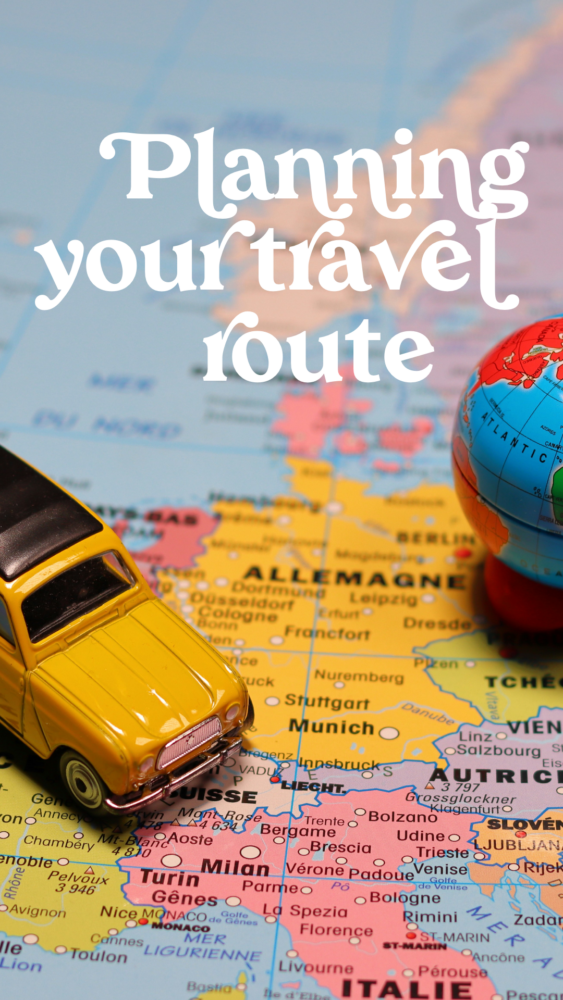
Here are some tips to help you plan your next road trip adventure.
Start With Your Main Destination
Before plotting every stop, decide on your primary destination. Maybe you’re heading to a national park, visiting family across the country, or simply exploring a region you’ve never seen before.
Once you know where you’re going, look at the major highways and scenic byways that connect your starting point to your destination. Don’t be afraid to choose the slower route if it offers better scenery or unique attractions.
Many experienced travelers prefer driving shorter distances each day, allowing more time to enjoy the journey rather than rushing to the finish line.
Research Campsites Before You Leave
Finding a place to spend the night is one of the most important parts of route planning.
Begin by identifying campgrounds along your route. Consider:
- National park campgrounds
- State parks
- County parks
- Private RV parks
- National forest campgrounds
- Bureau of Land Management (BLM) lands where dispersed camping is allowed
Read recent reviews whenever possible. Conditions can change from season to season, and fellow travelers often provide valuable information about road access, cell service, campground amenities, and campground cleanliness.
During peak travel seasons, popular campgrounds may require reservations weeks or even months in advance. If you’re traveling during summer or holidays, booking early can save a lot of frustration.
It’s also wise to identify backup camping options in case your first choice is full.
Search for Scenic Trails and Outdoor Adventures
One of the best parts of traveling by van or camper is having easy access to outdoor recreation.
As you plan your route, look for:
- Hiking trails
- Scenic overlooks
- Waterfalls
- Wildlife viewing areas
- Lakes and rivers
- Historic landmarks
- Small-town attractions
Many travelers create a list of points of interest within an hour of each planned campsite. This allows flexibility while ensuring there are activities available nearby.
Don’t overlook local visitor centers. They often provide maps, trail recommendations, and information about hidden attractions that don’t always appear in travel guides.
Avoid Overloading Your Schedule
A common mistake among new road travelers is trying to see too much too quickly.
Driving hundreds of miles every day can become exhausting. Instead, consider limiting your travel days and scheduling extra time at locations that interest you most.
Many van lifers and camper travelers find that staying two or three nights in one location creates a much more enjoyable experience than constantly moving.
A slower pace also gives you time to enjoy your morning coffee, explore local communities, and appreciate the scenery around you.
Download Maps Before You Need Them
One lesson many road travelers learn quickly is that cell service isn’t available everywhere.
Remote campgrounds, mountain roads, deserts, and national parks often have limited or nonexistent internet access. That’s why downloading maps ahead of time is essential.
How to Download Offline Maps Using Google Maps
- Open the Google Maps app while connected to Wi-Fi.
- Tap your profile picture in the upper-right corner.
- Select “Offline Maps.”
- Tap “Select Your Own Map.”
- Move and resize the map to cover the area you’ll be visiting.
- Tap “Download.”
- Wait for the download to complete before leaving your internet connection.
Once downloaded, you’ll be able to navigate roads even when cell service disappears.
Consider a Backup Navigation App
Many experienced travelers also use navigation apps designed specifically for outdoor adventures and RV travel. Some allow you to download entire regions and include information about campgrounds, trailheads, and points of interest.
Having more than one navigation option can be especially helpful when exploring unfamiliar areas.
Keep Important Information Accessible
Before leaving each campsite, save important information such as:
- Next campground address
- Reservation confirmations
- Emergency contacts
- Fuel stops
- Visitor center locations
Keeping these details available offline can prevent unnecessary stress when internet access becomes limited.
Be Prepared to Adjust Your Plans
Even the best travel plans sometimes change.
Road closures, weather conditions, campground availability, and unexpected discoveries can all alter your route. Maintaining a flexible mindset is one of the keys to enjoying life on the road.
Sometimes the unplanned stop turns out to be the highlight of the entire trip.
Final Thoughts
Planning your travel route doesn’t mean eliminating spontaneity. Instead, it creates a framework that allows you to travel confidently while leaving room for adventure.
By researching campsites, identifying scenic trails and attractions, downloading maps before you need them, and allowing flexibility in your schedule, you’ll be better prepared to enjoy everything the open road has to offer.
So fill your coffee mug, map out your next destination, and get ready to discover what lies around the next bend in the road.
This post should perform well for search terms such as “how to plan an RV trip,” “van life travel planning,” “finding campsites,” and “offline maps for road trips.”


