 By coffeetravelinggrandma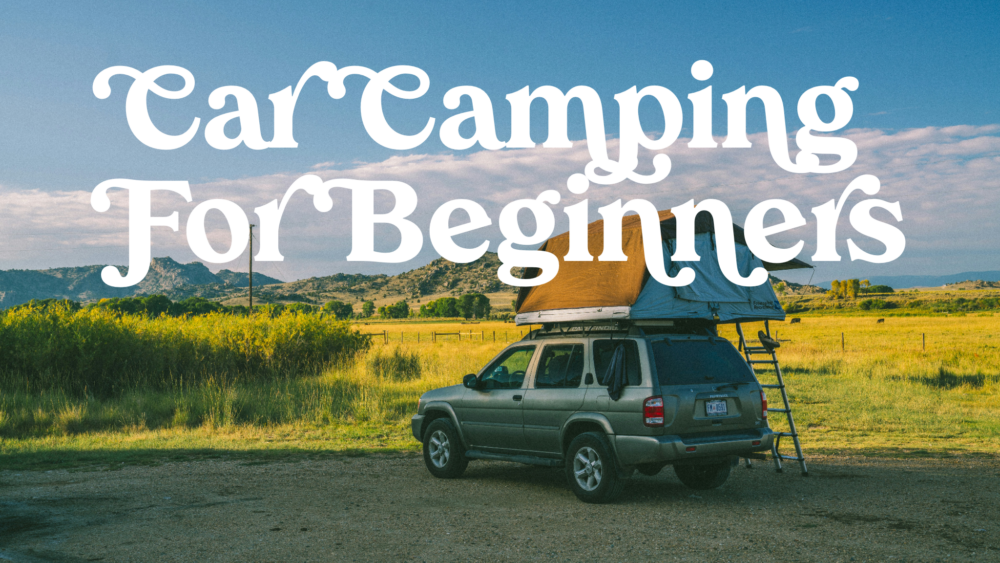
Have you ever looked at your car and wondered, Could I actually sleep in there? You see so many people doing it on the road and wonder, Is that even possible?
The answer is probably yes.
Car camping has become one of the simplest ways to experience road travel without buying an RV, renting hotel rooms every night, or investing thousands of dollars in camping equipment. Your car becomes your transportation, your bedroom, your storage space, and sometimes even your kitchen.
But if you’ve never tried it before, the idea can feel a little intimidating.
Where do you sleep? What do you bring? What do you eat? How do you stay comfortable? And perhaps most importantly, where can you legally park overnight?
The good news is that you don’t have to figure everything out at once.
Here’s a beginner’s guide to getting started with car camping.
Start With the Car You Already Own
You don’t need a specially equipped vehicle to try car camping.
A sedan, hatchback, SUV, minivan, or pickup can potentially work, depending on the vehicle and how much space you need. I have even seen people doing it in minicars, and I witnessed some young kid pulling into a rest area with his mini convertible- yep!
Before buying anything, experiment with your existing vehicle. Consider what you can do and how to stretch out at night for a good night’s sleep.
Fold the seats down if possible and see how much room you have. Consider your height and weight, and then measure the sleeping area. Try lying down in it. You may discover that your car has more usable space than you thought.
You might also find a specialized tent that fits over your car, allowing you to sleep with the hatchback open and still be protected.
Your First Trip Should Be Short
Don’t make your first car-camping adventure a three-week cross-country expedition. Start with one night and make a go at it, then go back home and consider what you learned.
You’ll discover:
- Whether your mattress is comfortable
- How cold or warm your car gets
- What you forgot to pack
- How much food you actually need
- How easy it is to organize your gear
- Whether you need more privacy
- What you want to change before your next trip
Ideally, choose somewhere relatively close to home. That way, if you forget something or discover that your sleeping arrangement isn’t as comfortable as you expected, you aren’t hundreds of miles away.
Create a Comfortable Sleeping Space
Your sleeping arrangement is one of the most important parts of car camping.
You don’t necessarily need an expensive camping mattress. A sleeping pad, foam mattress, folding camping mattress, or other suitable padding can work. If your seats don’t fold completely flat, you may need to get creative with padding to make the sleeping surface more comfortable.
Add a sleeping bag or blankets appropriate for the weather, and don’t forget a pillow. You might even consider a winter sleeping bag available at Walmart during some seasons to keep you warm at any time of year.
And here’s something you may not think about until you’re lying there at midnight: level ground matters when you park. Even a slight slope can become surprisingly uncomfortable after several hours.
Give Yourself Some Privacy
Sleeping in your car can feel strange the first few times, especially if you’re accustomed to sleeping behind four walls.
Window coverings can make a huge difference. Purchase inexpensive vehicle-specific shades, make simple DIY curtains, or use other appropriate coverings that fit securely without interfering with safe ventilation or your ability to exit the vehicle.
Privacy isn’t just about feeling comfortable. It also helps you feel less exposed when you’re settling down for the night.
There are creeps in the world, and you may want to protect yourself simply by keeping your windows covered, especially at night.
Pack the Basics—Not Your Entire House
One of the biggest beginner mistakes is bringing too much stuff. Remember: you’re staying in a car and space disappears quickly.
Start with the essentials:
Sleeping
- Mattress or sleeping pad
- Sleeping bag or blankets
- Pillow
- Appropriate clothing for the weather
Food and Water
- Drinking water
- Cooler
- Simple food
- Utensils
- Cup or mug
- Trash bags
Personal Items
- Toiletries
- Towels or washcloths
- Toilet paper
- Medications you normally need
- Hand sanitizer
Safety and Emergency Supplies
- Flashlight or headlamp
- Battery-operated lantern
- First-aid kit
- Phone charger
- Portable power bank
- Jumper cables or appropriate vehicle emergency equipment
- Emergency food and water
Add whatever you feel like you need for comfort and/or security. Just remember everything has to have a place and not just be thrown into a tiny space left in your car.
Plan Your Bathroom Strategy
This is one of the least glamorous parts of car camping—and one of the most important. Before going to sleep, know where the nearest restroom is, and/or carry a special can for those little emergencies in the middle of the night.
Campgrounds, some public recreation areas, rest areas, and other locations may have restroom facilities, but availability varies.
When you’re planning a trip, think about bathroom access during both the day and night. I have had some creepy experiences going to the restroom at night, and I use my emergency can for this behind my car shades, of course.
However, if you are car camping in the woods, you can set up a portable potty behind a tarp or tent in your campsite. You can purchase fold-up portable toilets you use with specialized bags and gel, cat litter, or sawdust.
Dispose of waste in the best legal manner.
What About Food?
Keep your first meals simple. You don’t need to become a wilderness chef just because you’re camping.
Sandwiches, fruit, oatmeal, canned foods, tortillas, pasta, snacks, and other easy-to-prepare foods can make excellent beginner camping meals.
Consider any animals you have along with you, and even the possibility of small critters who may enter your trunk undetected.
Place all food items in sealed plastic containers, not just baggies, and add a small cooler with a lock to keep cold food cold. You may also want to consider taking a folding table or a board of some sort to lay flat in your trunk for a makeshift kitchen counter.
Do bring assorted flatware, knives, can openers, peelers, a cutting board, and even paper towels. I also carry kitchen towels which I can wash later.
And, of course, a camp stove always works great (just not inside the car, of course). Finally, don’t forget a minimum of a 5-gallon bottle of water. Plenty of places allow you to fill it up for a smallish fee of $3, and some rest areas allow it for free.
And Then There is Hygiene
Ah, yes, the thing we all want to know! When you camp in your car for one night, you may not care about this, but when you camp for several days, you may become a bit, er, ripe.
There are plenty of more expensive portable showers that run on propane, but what if you don’t have a couple of hundred dollars? There are some other options, of course.
Wipes, soap, and water can work wonders along with your regular hygiene routine, but also you can purchase showers at most of the Love’s and Pilot truck stops for about $20.
Further, you may want to make regular trips to the laundry if you are car camping for a week or more.
Staying clean on the road is completely possible.
Find a Legal Place to Camp
This is one area where beginners should do their homework. You can’t assume that every parking lot or roadside location allows overnight camping.
Depending on where you’re traveling, possibilities may include:
- Established campgrounds (for dispersed and free camping)
- National forest camping areas (paid online)
- Bureau of Land Management areas (free camping areas)
- Private campgrounds and paid campgrounds
Rules vary enormously from one place to another. There have also been rumors that Walmart allowed some campers to park overnight, but more and more you see signs to the contrary in their parking lots. Further, another common misconception is that you can park overnight at truck stops; however, more and more, they are increasingly setting time limits for parking, and definitely not overnight.
Before settling in for the night, verify that overnight camping or sleeping in your vehicle is permitted at that specific location.
Don’t Ignore Weather
Weather becomes much more important when your bedroom is a car. Always check the forecast before your trip, and while traveling, as the weather may suddenly change.
Cold temperatures, extreme heat, snow, wind, and severe storms can make sleeping in a vehicle uncomfortable or dangerous.
Never rely on running your vehicle continuously to keep yourself warm or cool. Use blankets in cooler weather, dress appropriately for the cold, or use battery-operated fans and mosquito netting for warmer conditions.
Keep Your Car Organized
A messy car becomes incredibly frustrating when it’s also your bedroom. Use small storage bins, bags, or containers to keep categories of items together.
For example:
Bin 1: Food and cooking supplies
Bin 2: Toiletries
Bin 3: Clothing
Bin 4: Emergency equipment
Keep frequently used items where you can reach them easily.
During the day, your bed can become your seating or storage area. At night, everything gets rearranged into sleeping mode.
After a few trips, you’ll develop your own system.
Think About Safety
Car camping should be an enjoyable experience, but basic safety planning is important. Not everyone you meet on the road or in a campground is a safe person. In fact, some are downright predatory.
Maintain your independence. Keep your phone charged, and always know where you are. Take a physical map in case you end up without cell service.
Pay attention to weather and local conditions, always. Trust your instincts about a location if you see too many things that unsettle you, and go somewhere else, even if it is on your itinerary.
Practice Leave No Trace
One of the best things you can do as a car camper or even at a rest area is to leave your campsite better—or at least no worse—than you found it.
- Pack out your trash.
- Don’t damage vegetation.
- Follow fire restrictions.
- Respect wildlife.
- Stay on permitted roads and camping areas.
- Keep noise down.
- Respect other campers and nearby residents.
We all share these places, and responsible camping helps keep them available for future travelers. Disrespecting the places you park or camp makes it an unenjoyable experience for everyone.
Your First Car-Camping Trip Doesn’t Have to Be Perfect
Your first night might not go exactly as planned. Maybe you discover that your mattress is too hard, or you forget the coffee.
Maybe you wake up at 3 a.m. because you suddenly realize you didn’t bring enough blankets.
Maybe you spend twenty minutes trying to figure out how to rearrange everything in your car.
That’s okay.
That’s how you learn.
Car camping is less about having the perfect setup and more about discovering what works for you.
After a few trips, you’ll know exactly which foods you like, how much water you need, how you want your car organized, what kind of bedding works best, and which pieces of equipment are worth buying.
It’s a way to go somewhere and explore the world.


